How do stem cells
age — and recover?
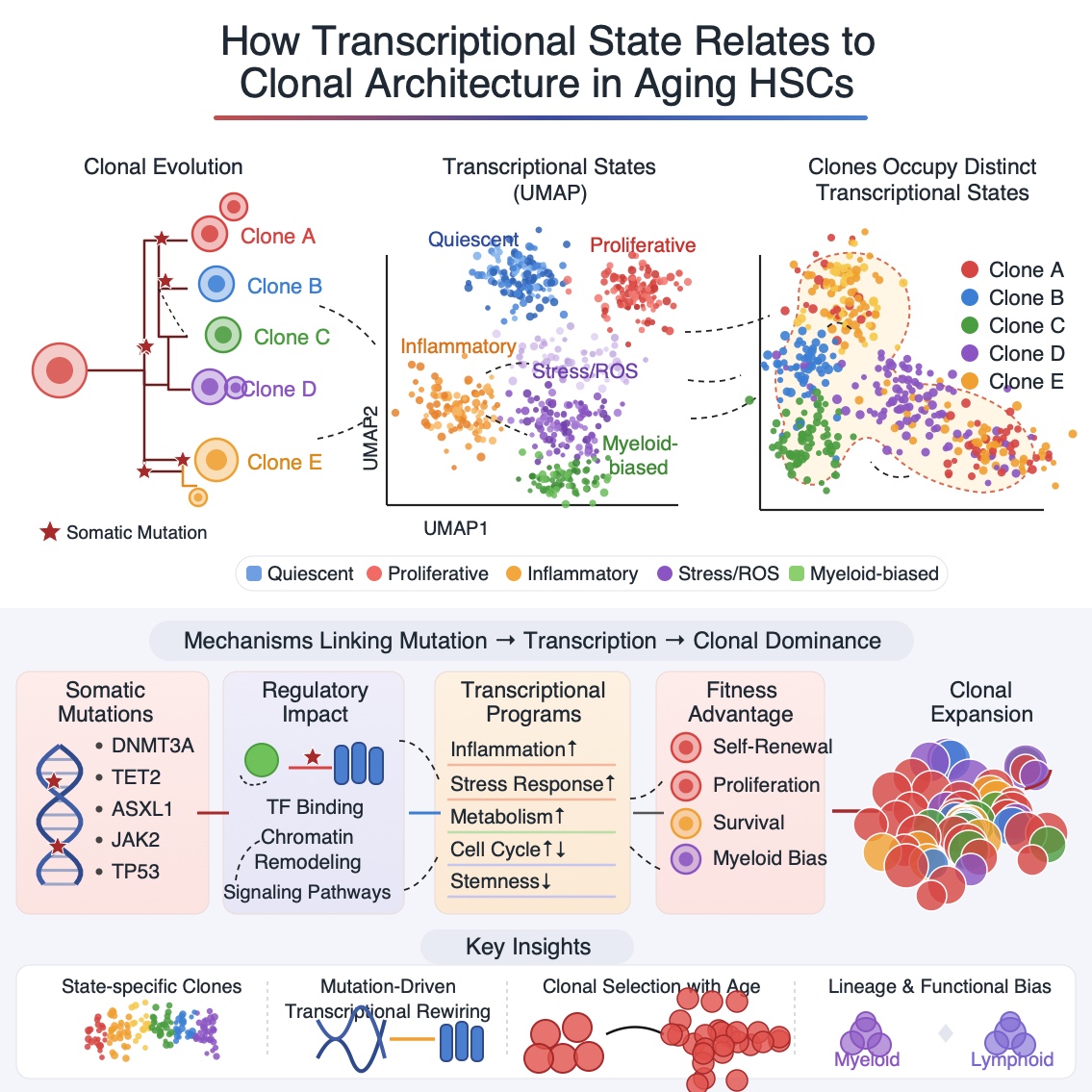
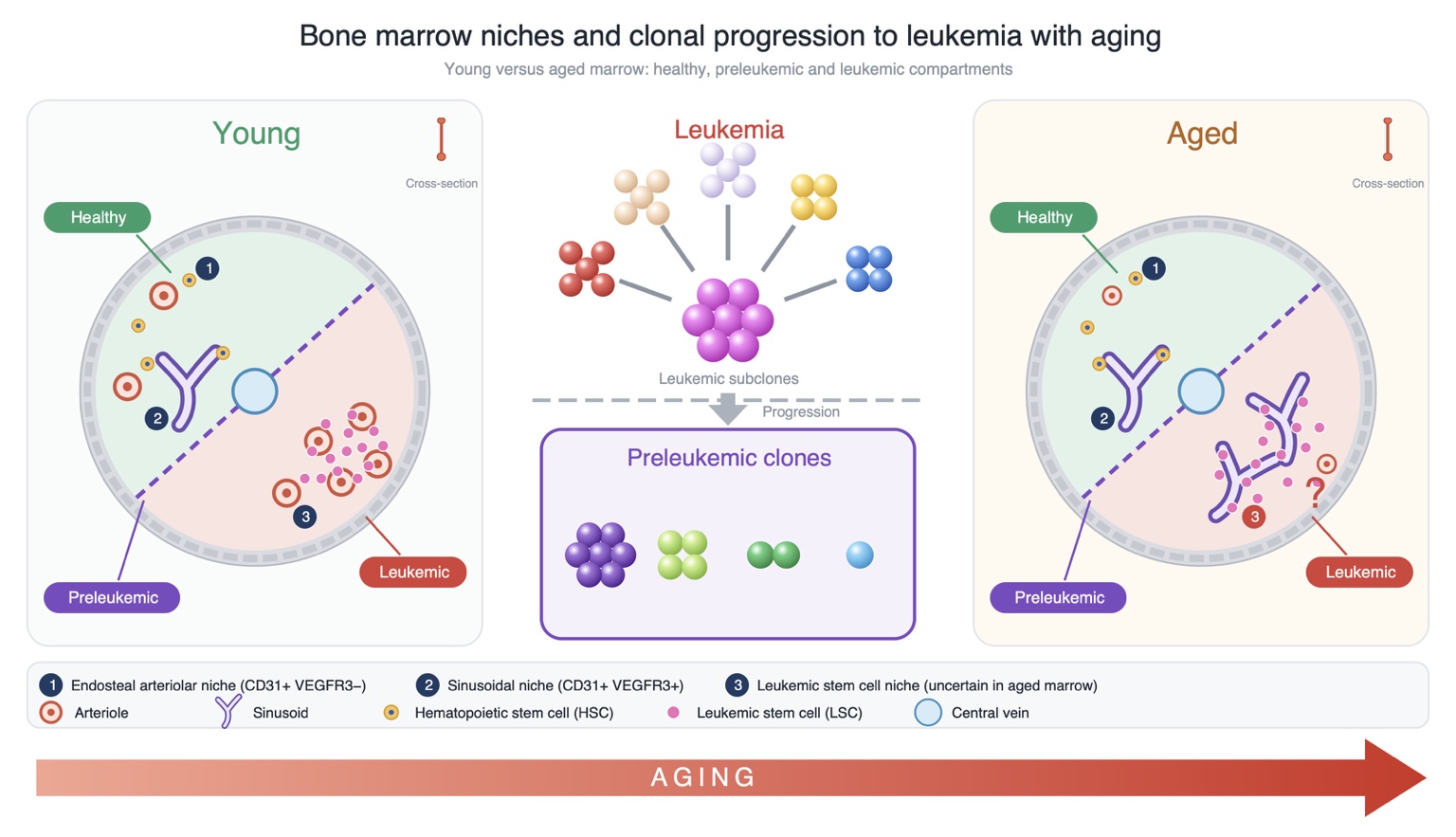
We investigate cell-intrinsic ageing trajectories, stem-cell heterogeneity, clonal hematopoiesis and the influence of the bone-marrow niche on stem-cell function and rejuvenation.

We develop generalizable machine-learning frameworks and integrate single-cell, multimodal and clinical data to understand how disease begins, evolves and responds to treatment.
Biomedical data are growing in scale and complexity. Yet patient-to-patient variation, technical differences between cohorts and platforms, and disconnected molecular layers can obscure the biology we want to understand.
At Mulaw Lab, we build computational methods that learn disease-relevant signals while accounting for biological and technical variation. We connect molecular resolution with biological mechanism and, ultimately, clinical relevance.
How we work ↗Our work spans disease systems, united by a shared ambition: understand cellular states, molecular interactions and clonal dynamics across biological scales.
We investigate cell-intrinsic ageing trajectories, stem-cell heterogeneity, clonal hematopoiesis and the influence of the bone-marrow niche on stem-cell function and rejuvenation.

We model tumour heterogeneity, clonal evolution and communication between malignant cells and their microenvironment, including leukemia and solid tumours.

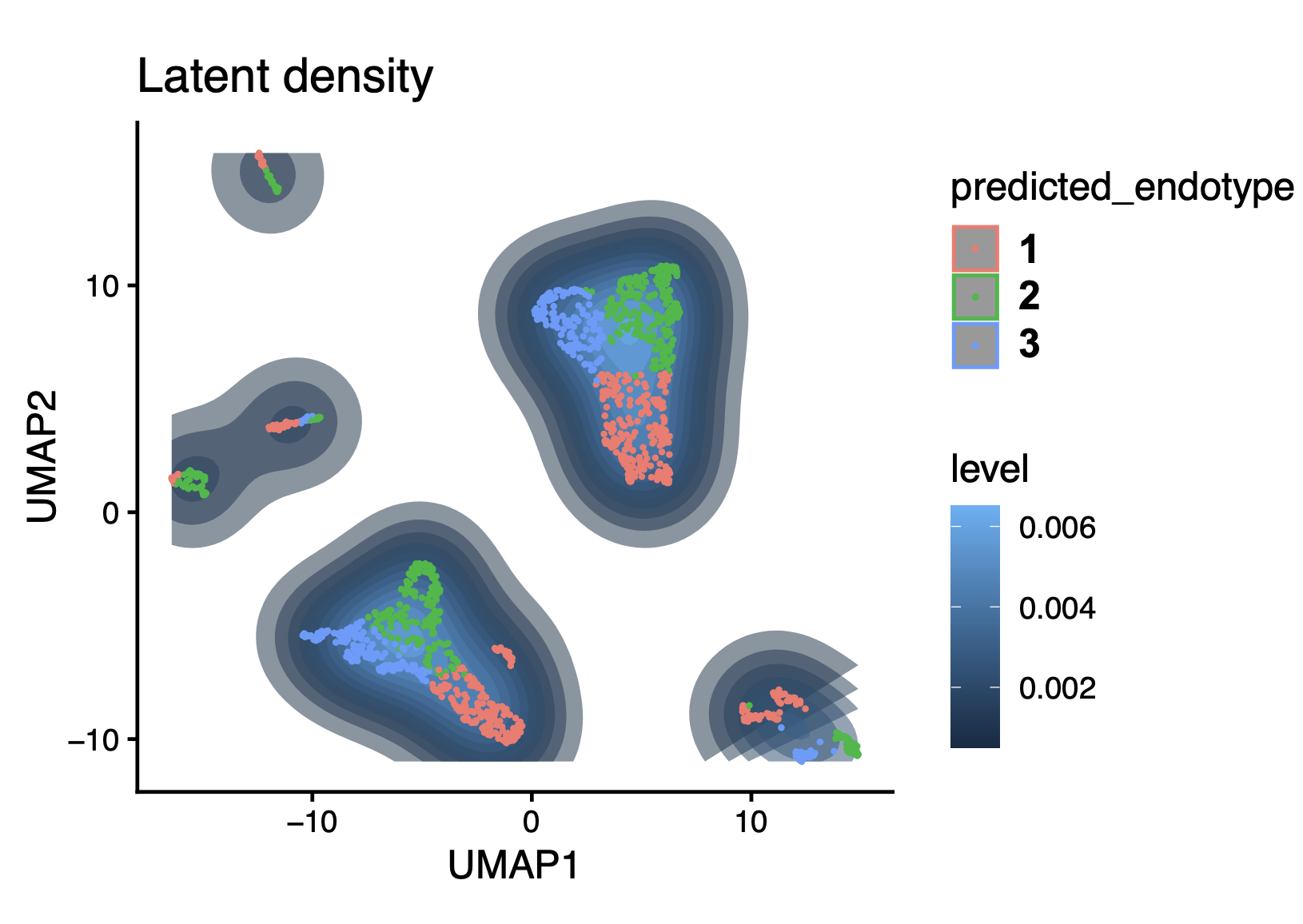
We integrate single-cell, bulk and clinical data to identify robust ALS-associated molecular signatures, disease endotypes and candidate therapeutic vulnerabilities.

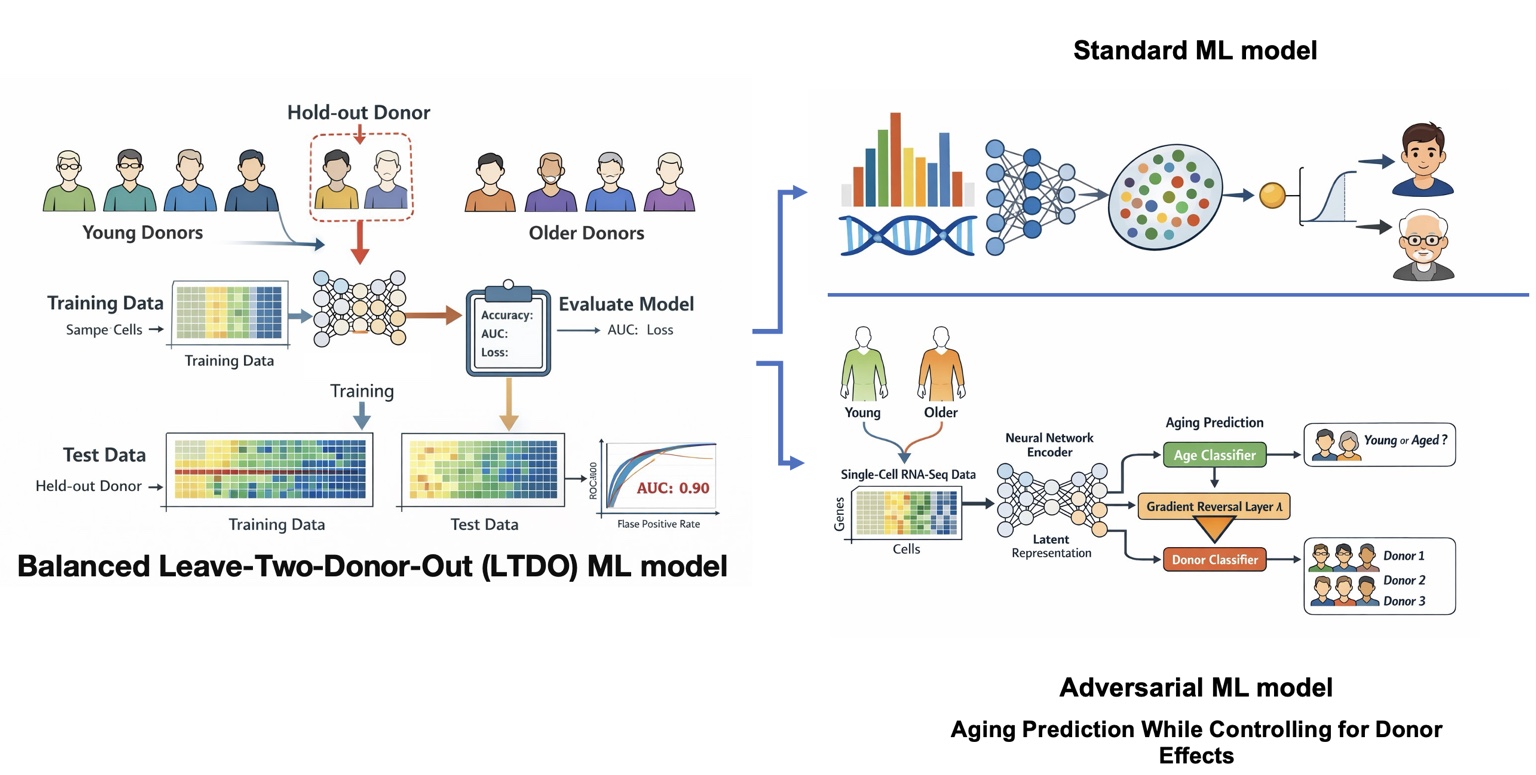
We develop donor-aware and dataset-aware machine-learning frameworks that separate disease biology from cohort and platform effects, with rigorous external validation.

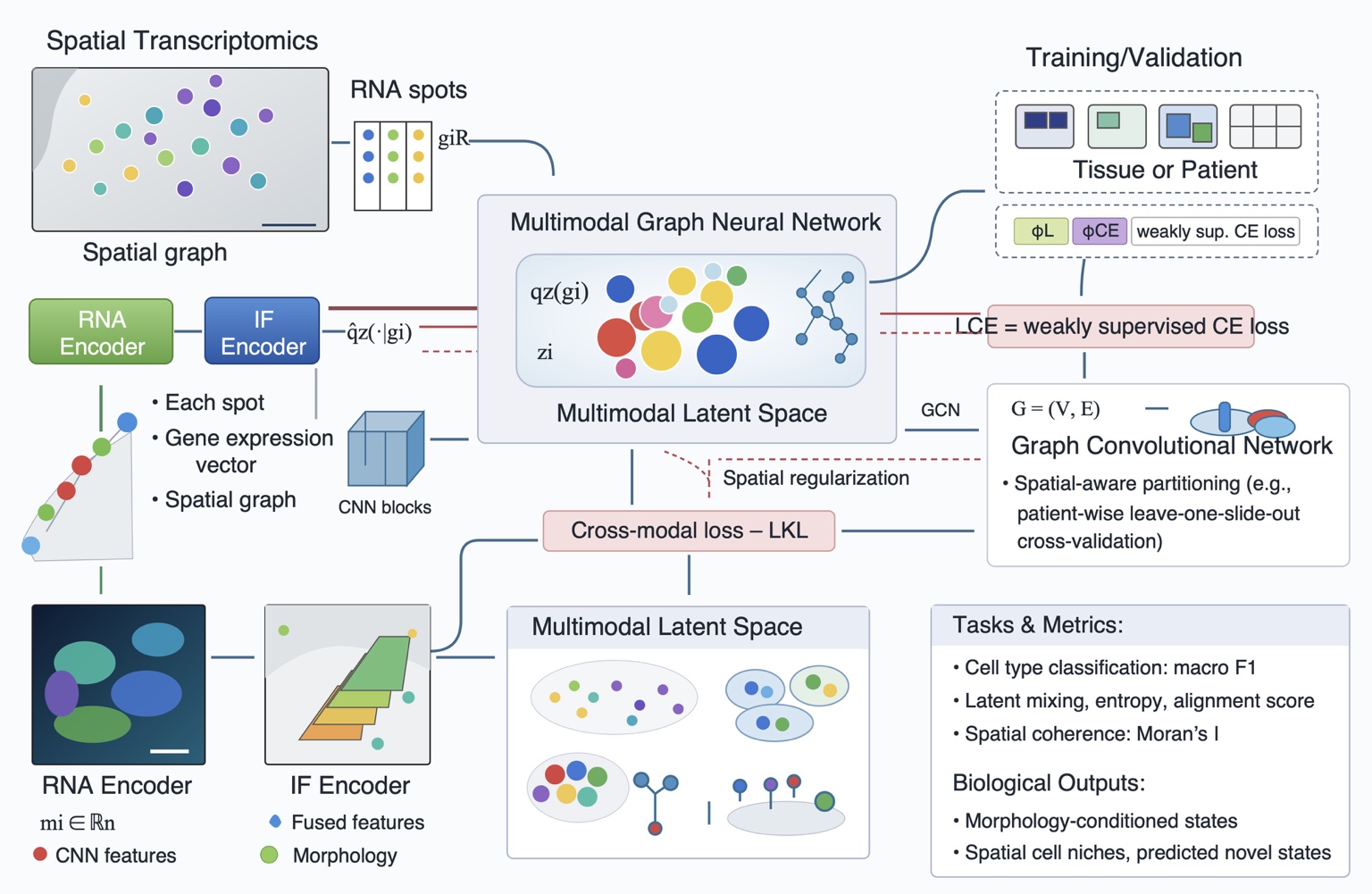
We integrate spatial gene expression with morphology features from paired immunofluorescence images. RNA and image encoders map both modalities into a shared latent space, which a graph neural network refines using information from neighboring tissue spots. Weakly supervised cell-type learning, cross-modal alignment and spatial regularization guide training; patient-wise leave-one-slide-out validation tests generalization. The resulting maps reveal morphology-conditioned cell states, spatial niches and candidate novel states.

We combine experimental data, computational modelling and biological interpretation — with reproducibility and generalization built into the process.
Single-cell RNA-seq, scATAC-seq, RNA+ATAC Multiome, targeted single-cell assays and clinical molecular data.
Multimodal data integration, cell-state analysis, regulatory inference and donor-aware representations.
Deep learning, domain-adversarial learning, transfer learning, nested validation and predictive modelling.
Mechanisms, molecular endotypes, biomarkers and experimentally testable therapeutic hypotheses.
In heterogeneous biomedical data, models can learn cohort identity or technical artefacts instead of disease biology. Our work uses donor-aware modelling and nested leave-one-dataset-out validation to test whether molecular patterns transfer to independent cohorts.
That is the difference between a model that performs well on familiar data and one that may help reveal robust biology in new patients.
Explore our work ↗Selected 2026 publications featuring contributions from the Mulaw Lab across cancer biology, stem-cell ageing and AI-enabled imaging.
Allgöwer C, Mulaw MA, et al. Molecular Cancer 25, 29 (2026).
Our laboratory developed the machine-learning model used in this study to analyse molecular and cellular data associated with early tumour–microenvironment interactions.
Read publication ↗Schumacher TM, Gottloeber EM, Koziel E, et al., including Mulaw MA. Scientific Reports 16, 11602 (2026).
Introduces a Keras/TensorFlow-based deep-learning approach for automated classification of cell-transmigration phases in flow-based adhesion assays, supporting standardized and scalable live-cell imaging analysis.
Read publication ↗Niemann J, Schuster T, Sakk V, et al., including Mulaw MA. Haematologica 111(9), 2990–3003 (2026).
Identifies UBE2G1 as a regulator of age-associated HSC dysfunction, linking altered proteostasis and SHP2-associated phosphorylation to lineage skewing and impaired stem-cell function.
Read publication ↗Selected publications, research funding, collaborative awards and scientific engagement marking an active year for the Mulaw Lab.
The DFG-funded RTG 3175/1 Org-BOOST programme (Organoid-Based Modelling of Solid Tumors) brings together interdisciplinary research on tumour progression and clonal evolution. The Mulaw Lab contributes computational biology and AI/ML expertise.
DFG · RTG 3175/1The lab contributes a pivotal computational workstream to the international Target ALS collaboration coordinated by TUM, with partners at Ulm University and the University of Melbourne, supported through Challenge Works by Nesta.
Target ALS · Challenge Works by NestaContinued participation in SFB 1506 supports the lab’s research on stem-cell ageing, rejuvenation and the interactions between cellular systems and their microenvironments.
DFG · SFB 1506Published in Haematologica, the study identifies a molecular link between proteostasis, signalling and age-associated changes in hematopoietic stem-cell function.
Read the paper ↗A collaborative study in Scientific Reports demonstrates deep-learning classification of cell-transmigration phases, supporting scalable and standardized analysis.
Read the paper ↗Sharing advances in computational single-cell genomics and AI/ML for biomedical research with the genomics and translational research community.
Invited scientific presentationThe Allgöwer et al. study in Molecular Cancer features a machine-learning model developed by the Mulaw Lab to investigate KRAS-driven niche preparation before pancreatic cancer onset.
Read the paper ↗News highlights are selected 2026 milestones; dates are shown at year level where a specific event date was not provided.
Our research is enabled by competitive funding programmes and collaborative partnerships supporting discovery in ageing, cancer, stem-cell biology and neurodegeneration.


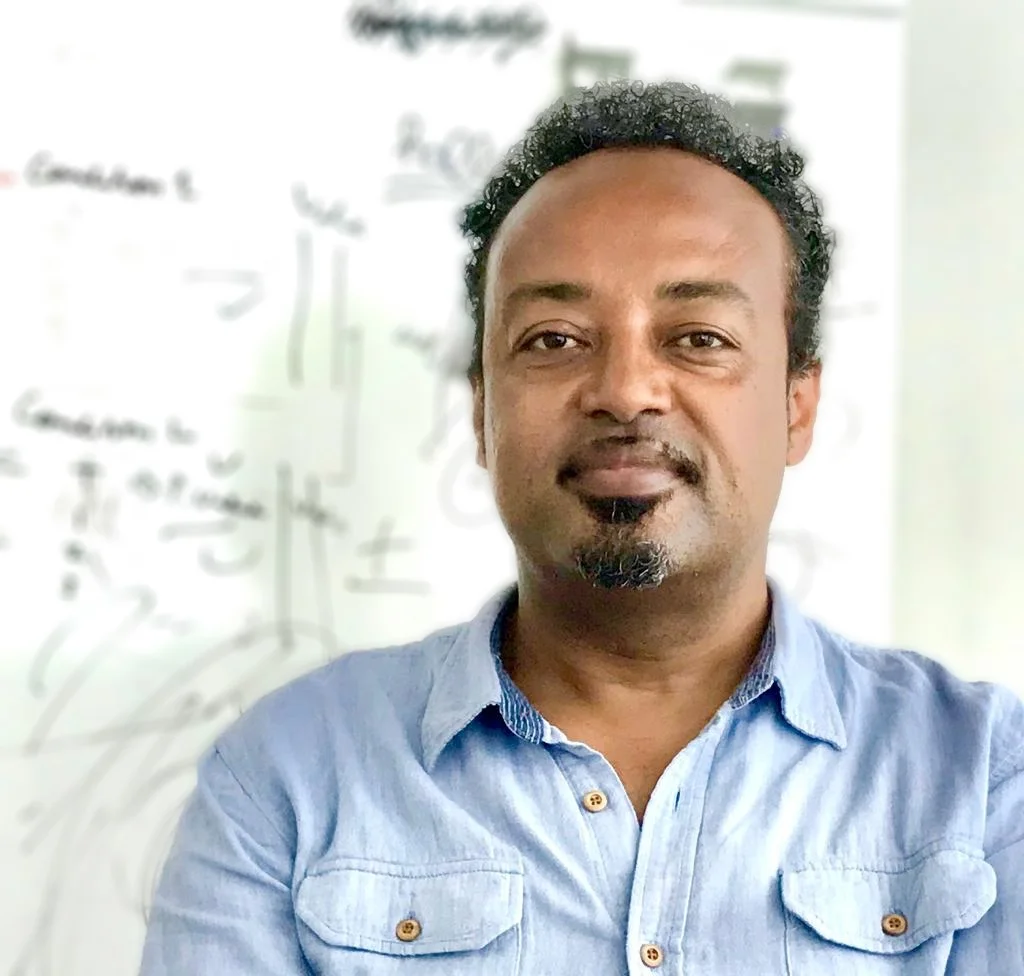
Prof. Medhanie A. Mulaw is a computational genomics researcher working at the interface of single-cell biology, multi-omics, machine learning and translational biomedical research. He leads the Unit for Single-Cell Genomics at Ulm University, building analytical capability and collaborative research programmes that connect high-dimensional molecular data with questions in haematology, ageing, leukemia, neurodegeneration and cancer.
His academic background spans a PhD in Human Biology from Ludwig-Maximilians-Universität Munich, an MSc in Genetics from Addis Ababa University and a BSc in Plant Sciences from the University of Asmara. His work combines methodological innovation with interdisciplinary project leadership, research infrastructure and graduate training.
We value rigorous, reproducible and collaborative research. Our teaching and mentoring connect biological questions with quantitative reasoning, hands-on computational analysis and responsible use of AI.
At Ulm University, Prof. Mulaw has established biostatistics and advanced R/Bioconductor training through the IGradU graduate programme, contributed to teaching in Molecular Medicine and Translational Neuroscience, and designed a computational biology and bioinformatics module for Org-BOOST.
Research and training enquiries ↗For research collaborations, computational genomics, multi-omics analysis and academic enquiries, get in touch.
Unit for Single-cell Genomics
Ulm University
Meyerhofstr. N27
89081, Ulm, Germany